Amid the accelerating wave of globalization, international educational exchanges and collaborations have become a core driving force for the sustained development of relations among countries. Especially with the in-depth implementation of the Belt and Road Initiative, educational and technological cooperation between China and Kazakhstan has grown increasingly close and frequent, effectively promoting in-depth interactions and win-win development between the two sides.
To keep pace with this trend of the times, Professor Zhang Yu from the School of Computer Science at Northwestern Polytechnical University (NPU) finalized this cooperation direction through close communication and planning with Professor Olzhas Turar from Al-Farabi Kazakh National University (KazNU) during his teaching tenure in Kazakhstan. On May 27, 2024, faculty representatives including Cui Helei, Chen Bolin and Pan Yongsheng, as well as 14 student representatives from NPU’s School of Computer Science, visited KazNU to co-host the 2024 Belt and Road International Cooperation Alliance for Intelligent Internet of Things Bilateral Symposium on Ubiquitous Health Sensing and Computing. Initiated by the Belt and Road International Cooperation Alliance for Intelligent Internet of Things, the symposium was strongly supported by KazNU, NPU and the China Computer Federation (CCF), focusing on in-depth discussions on the application of ubiquitous computing in the field of medical and health care.
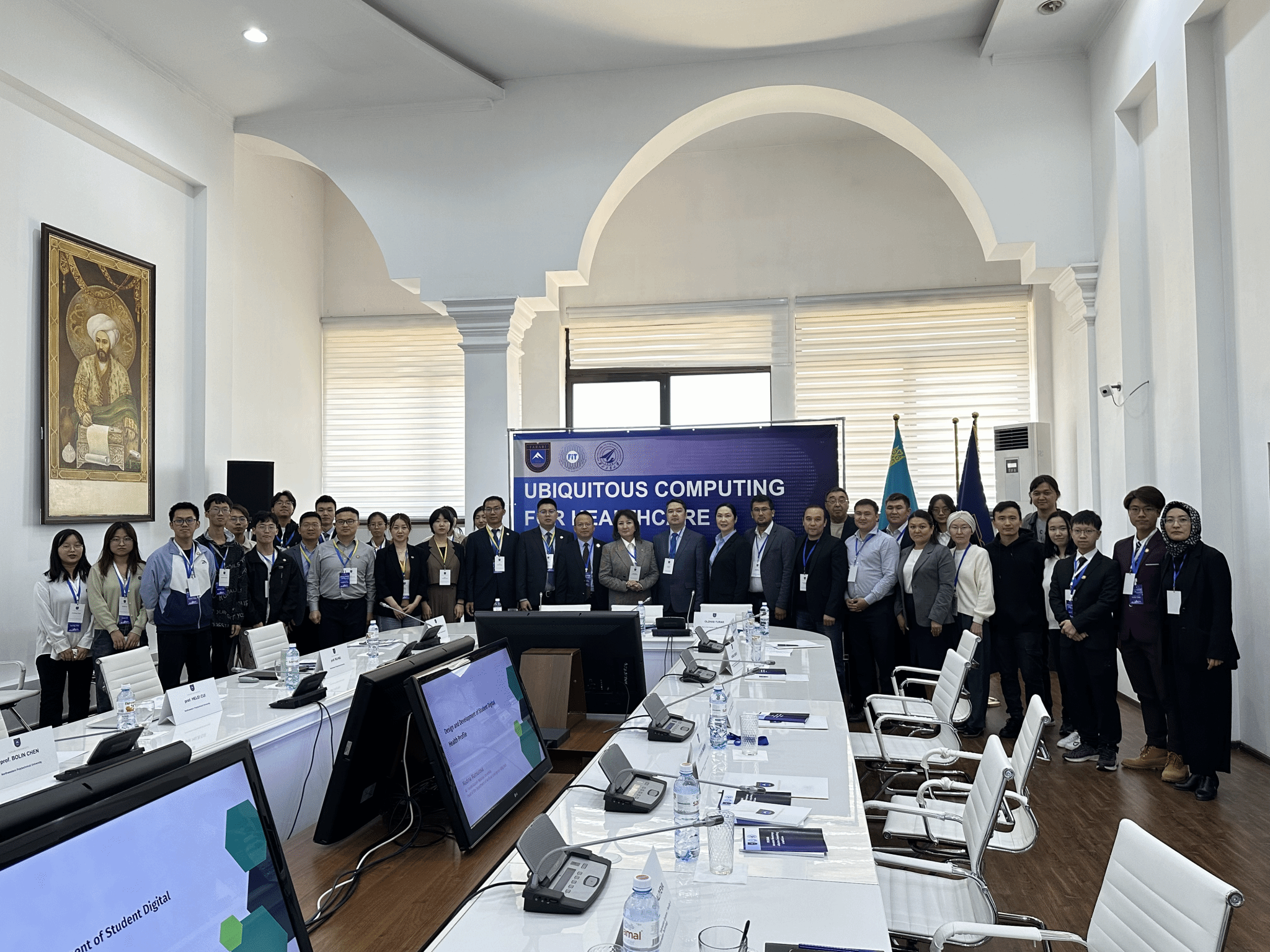
The symposium kicked off grandly in the conference hall of KazNU. Attendees included Zheng Guanghua, Executive Vice President of NPU Kazakhstan Branch; Zhamtle Aitzhanova, Vice President of KazNU; Olzhas Turar, Dean of the School of Information Technology; Zukhra Abdiakhmetova, Vice Dean of the School of Information Technology; Beimbet Daribayev, Head of the Department of Computer Science; and Madina Mansurova, Head of the Department of Artificial Intelligence and Big Data. In her opening speech, Zhamtle Aitzhanova extended a warm welcome to the visiting faculty and student delegation from NPU, and expressed sincere gratitude to all the cooperating and supporting organizations involved in the symposium’s organization. The symposium was chaired by Olzhas Turar.
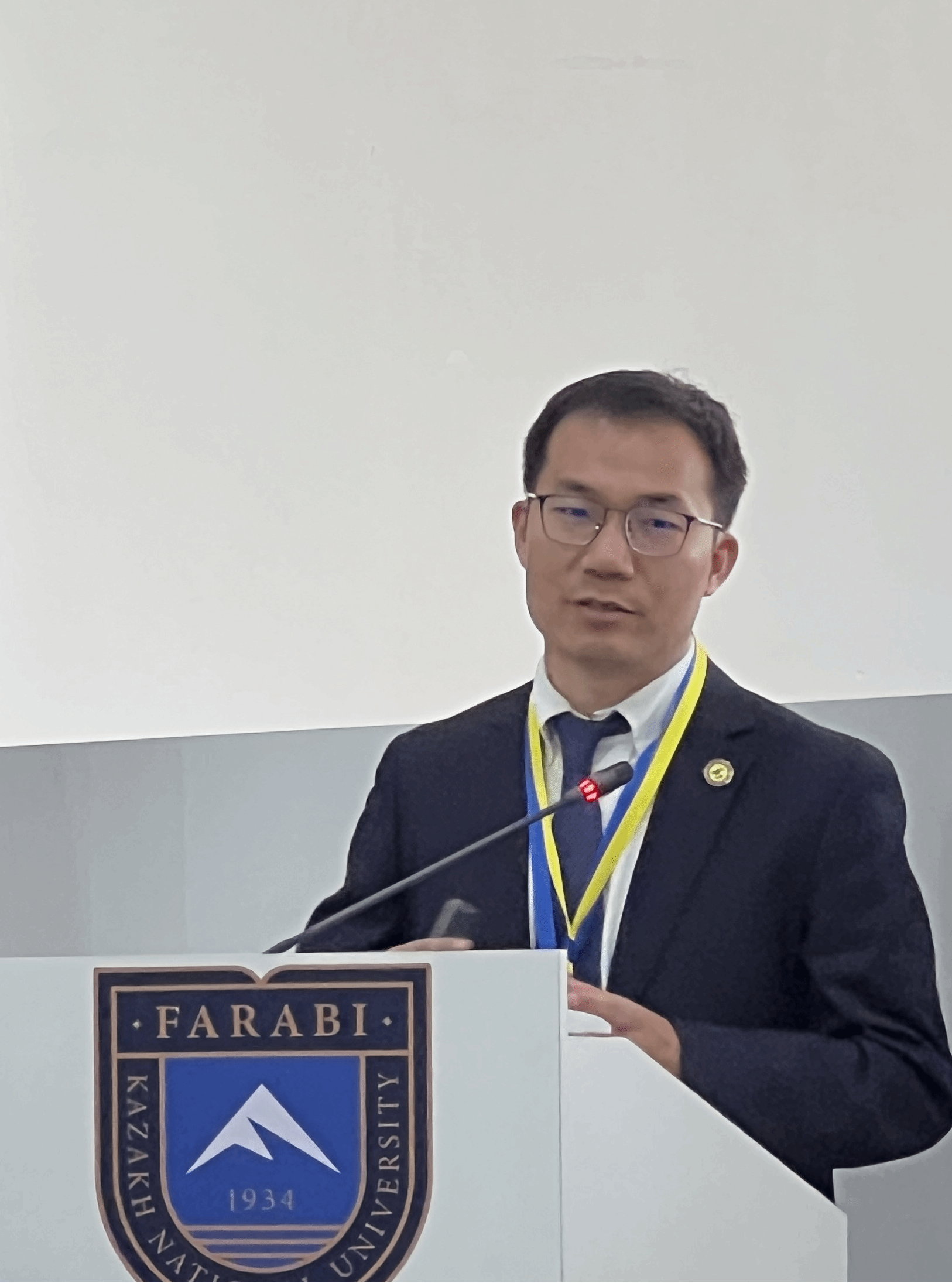
At the symposium, Professor Xia Yong from NPU delivered a speech titled Medical Image Analysis: From Pre-training to Foundation Models, where he conducted an in-depth analysis of the technical challenges in the pre-training of medical image analysis models. Starting from the complexity of data annotation, the diversity of data dimensions and the limitations of model capabilities, he shared in detail his research experience and unique insights in this field. Meanwhile, Professor Xia Yong also explored the opportunities and challenges faced by the pre-training and foundation models of medical image analysis, providing valuable directions for the development of the industry.
Subsequently, Professor Chen Bolin from NPU presented a report titled The Mechanism of Carcinogenesis and the Identification of Driving Factors Based on Dynamic Network Analysis. By fully leveraging dynamic network analysis methods, he conducted in-depth research on the dynamic evolution mechanism of cancer, offering new ideas and methods for the precise classification of tumor subtypes. Professor Chen Bolin’s report not only enriched the understanding of cancer pathogenesis, but also opened up new paths for the development of precision oncology, providing novel insights and directions for tumor research and treatment.
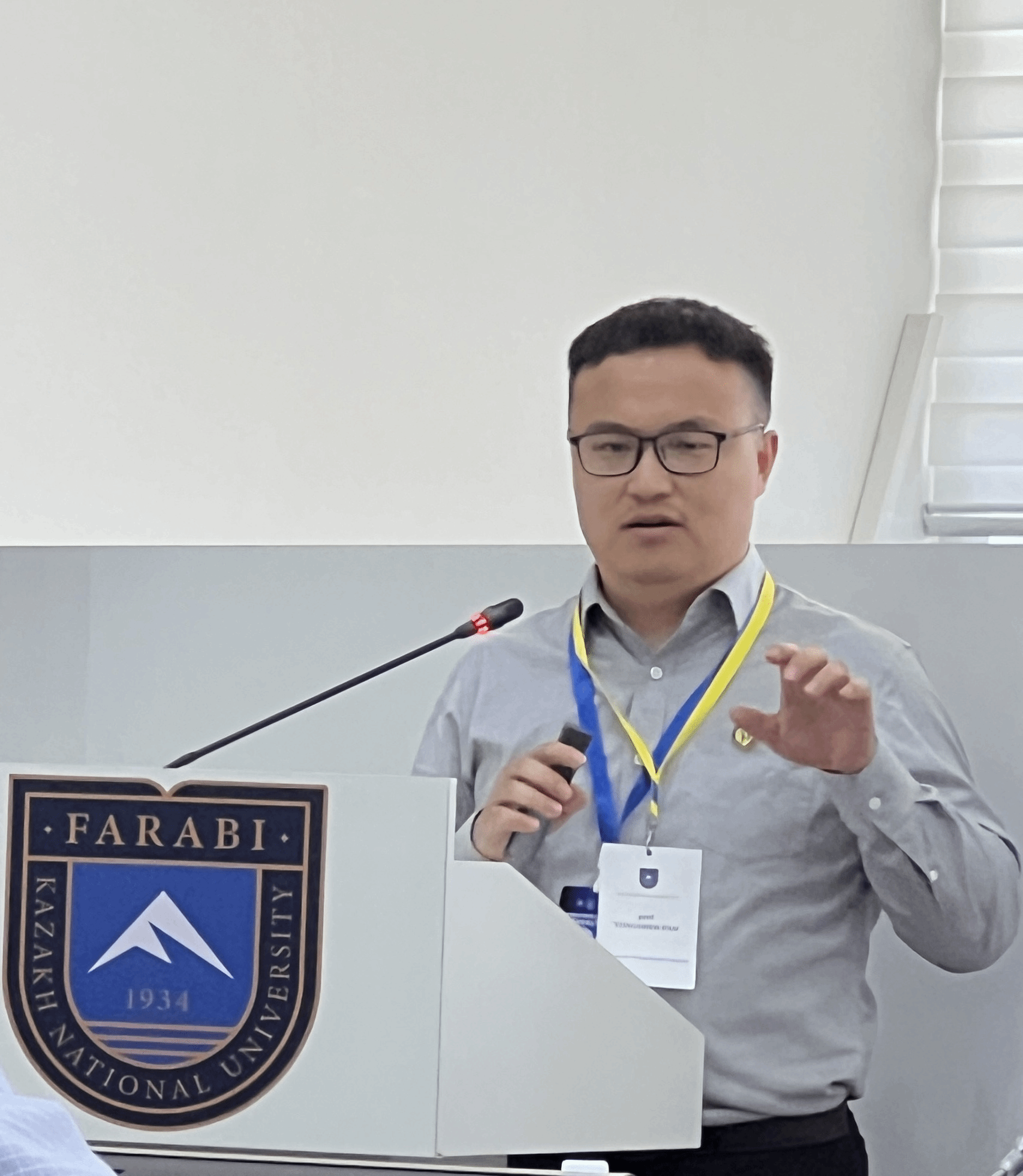
Professor Pan Yongsheng from NPU gave a brilliant report titled Synthesizing CBV Images from Standard MRI Images for Glioma Diagnosis. In the report, Professor Pan thoroughly discussed the method of accurately synthesizing CBV images from conventional MRI sequences using advanced image generation technologies. The application of CBV images in the grading and prognostic evaluation of gliomas can significantly improve diagnostic accuracy, providing a strong basis for clinicians to formulate more precise treatment plans. Meanwhile, CBV image synthesis technology also offers new possibilities for the early detection and condition monitoring of gliomas, which is of great significance for improving the therapeutic effect of gliomas.
In the second half of the symposium, Madina Mansurova, Head of the Department of Artificial Intelligence and Big Data at KazNU, first delivered a report titled Design and Development of Student Digital Health Profile. She utilized artificial intelligence methods to complete a series of tasks including medical data analysis, pattern recognition, pattern searching and result visualization, ultimately designing and developing an information system for evaluating student health and preventing diseases. This research has laid a scientific and technological foundation for promoting the concept and principles of “Healthy University - Healthy Nation” in educational institutions of the Republic of Kazakhstan.
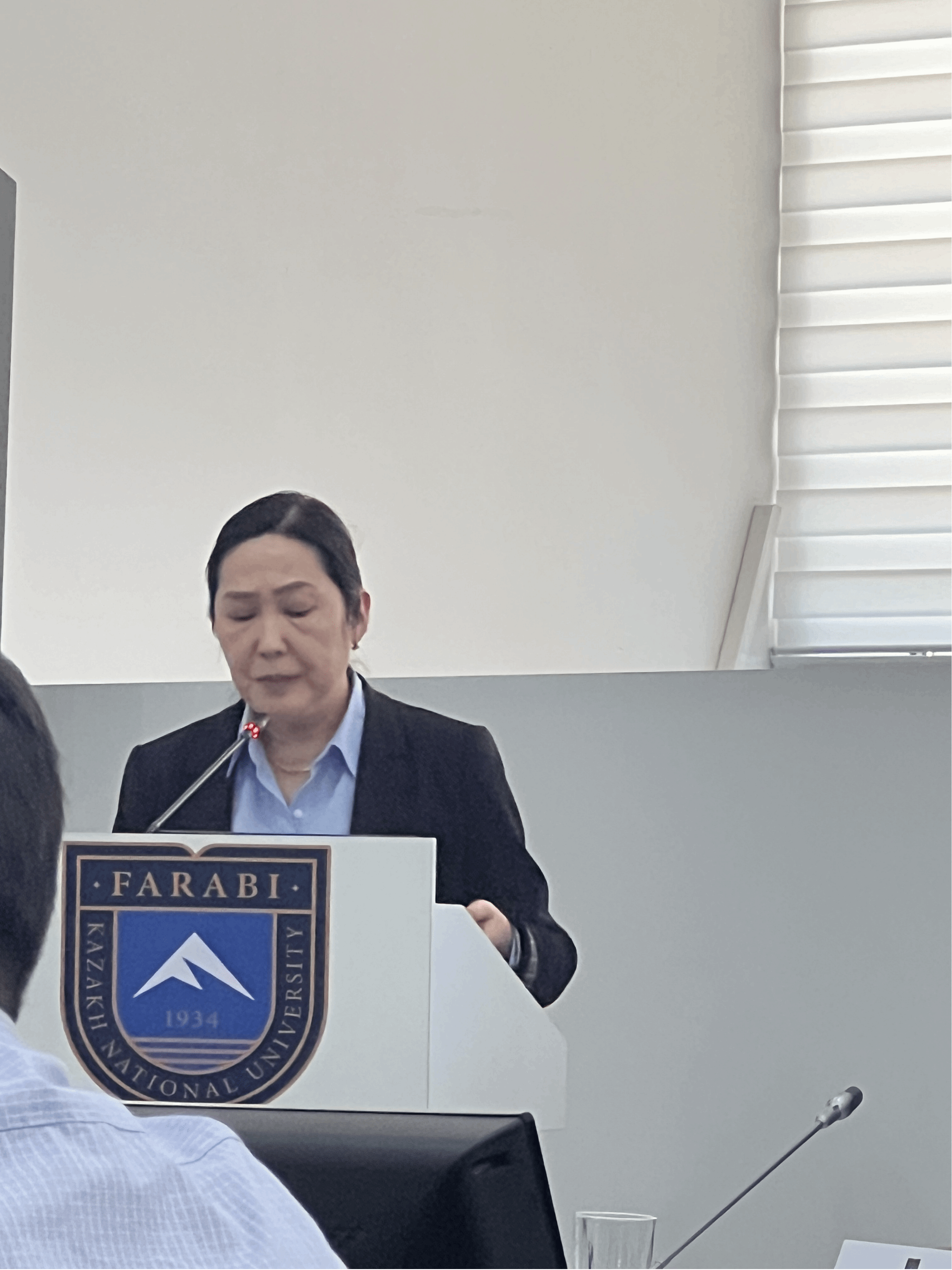
Zukhra Abdiakhmetova, Vice Dean of the School of Information Technology at KazNU, presented a report titled Study of Diseases in the Retina Using Methods of Artificial Intelligence. On this basis, she also explored cardiovascular diseases through new methods, which is of great significance for both retinal and cardiovascular disease research.
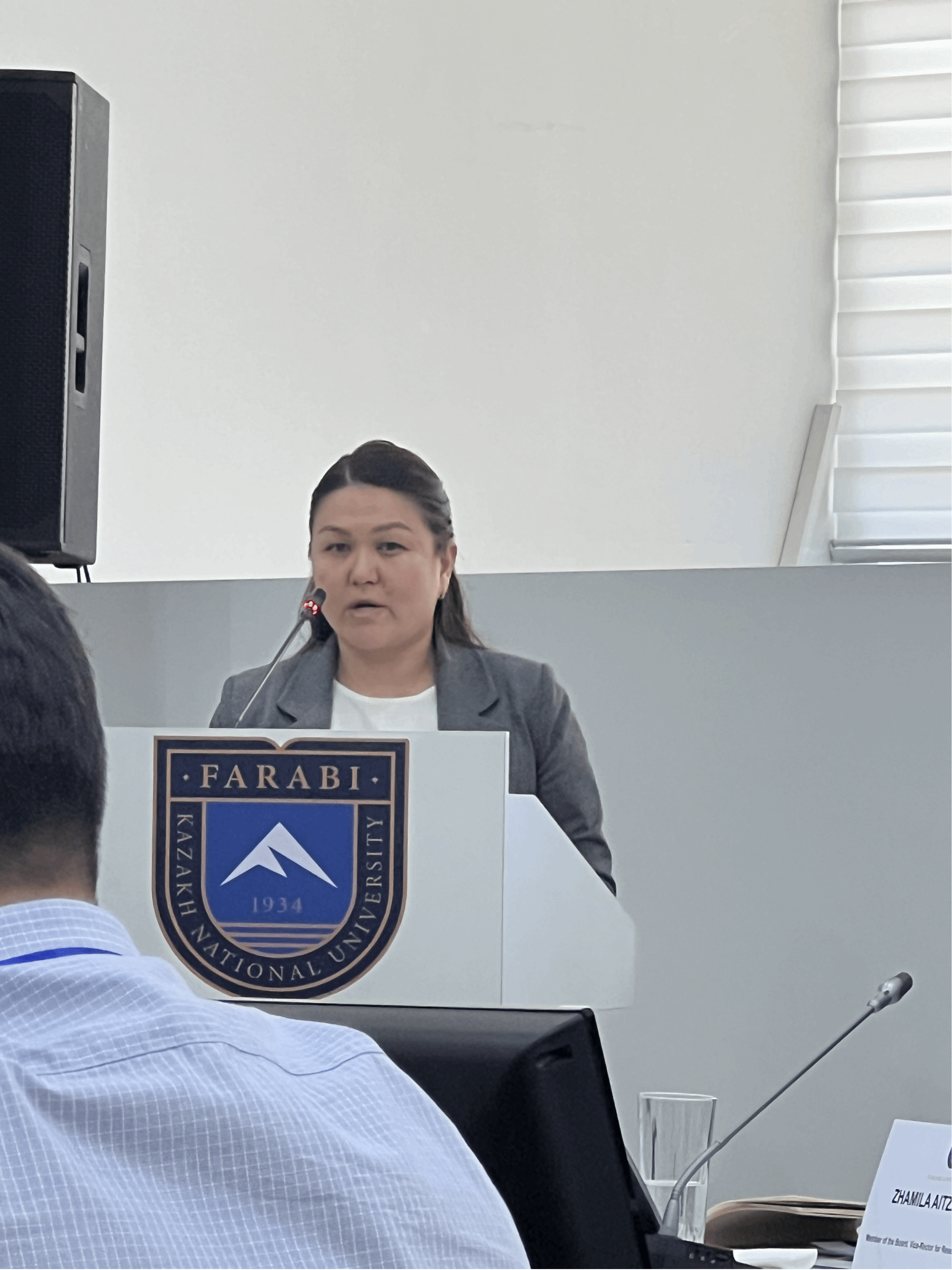
Batyrkhan Omarov, Associate Professor of the Department of Information Systems at KazNU, delivered a report titled Machine Learning Applications for Computer-Aided Medical Diagnostics, introducing the remarkable progress made by machine learning algorithms in diagnostic imaging, automatic disease detection and classification.
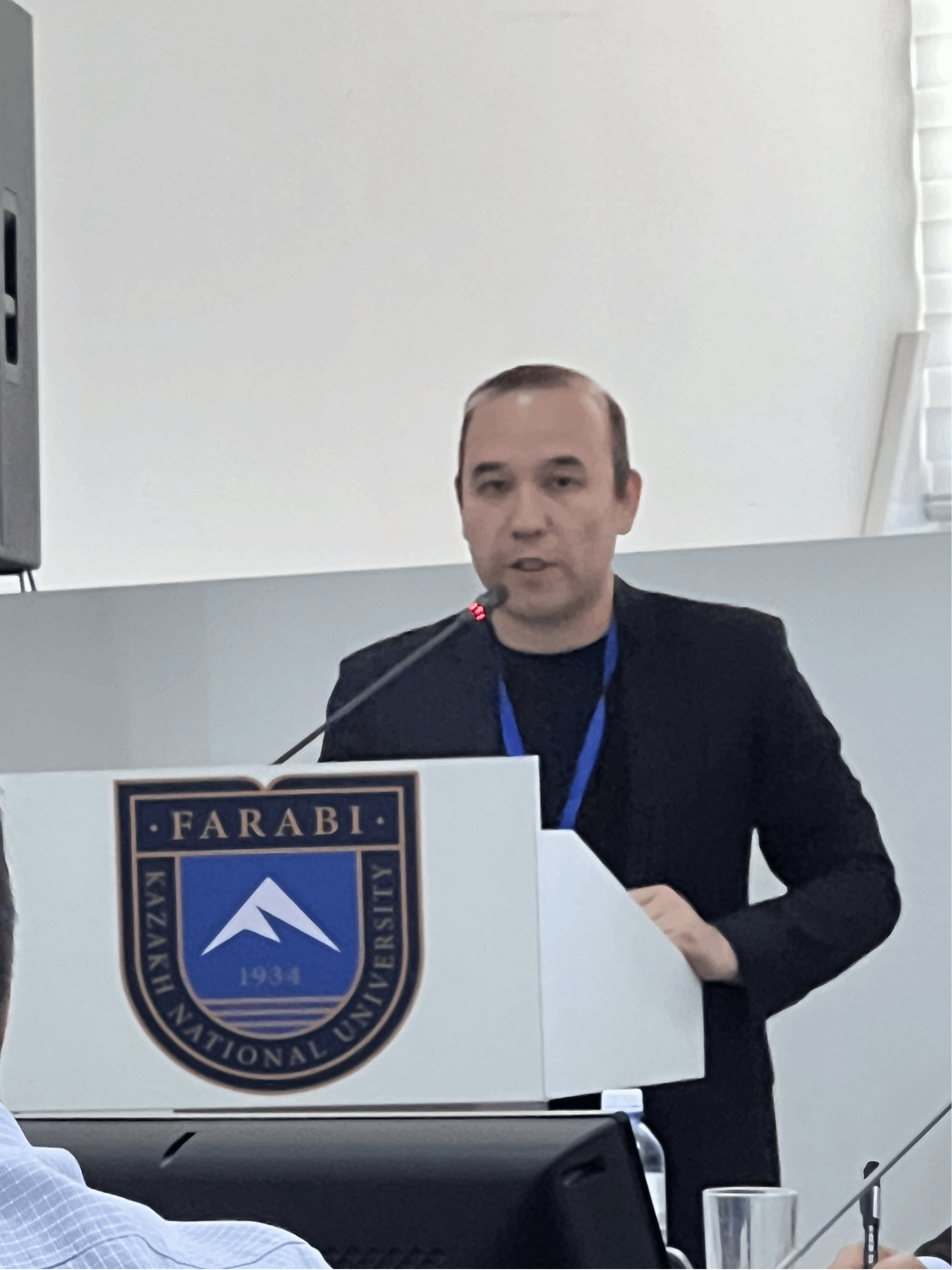
During the seminar’s discussion session, Niu Rui, Director of CCF Northwest Office, delivered a report titled A Brief Introduction of CCF on behalf of the China Computer Federation, elaborating on the overview of the federation, particularly its exploration and achievements in international cooperation and academic exchanges. This exchange activity is groundbreaking for expanding the international influence of China’s computer field in Central Asia.
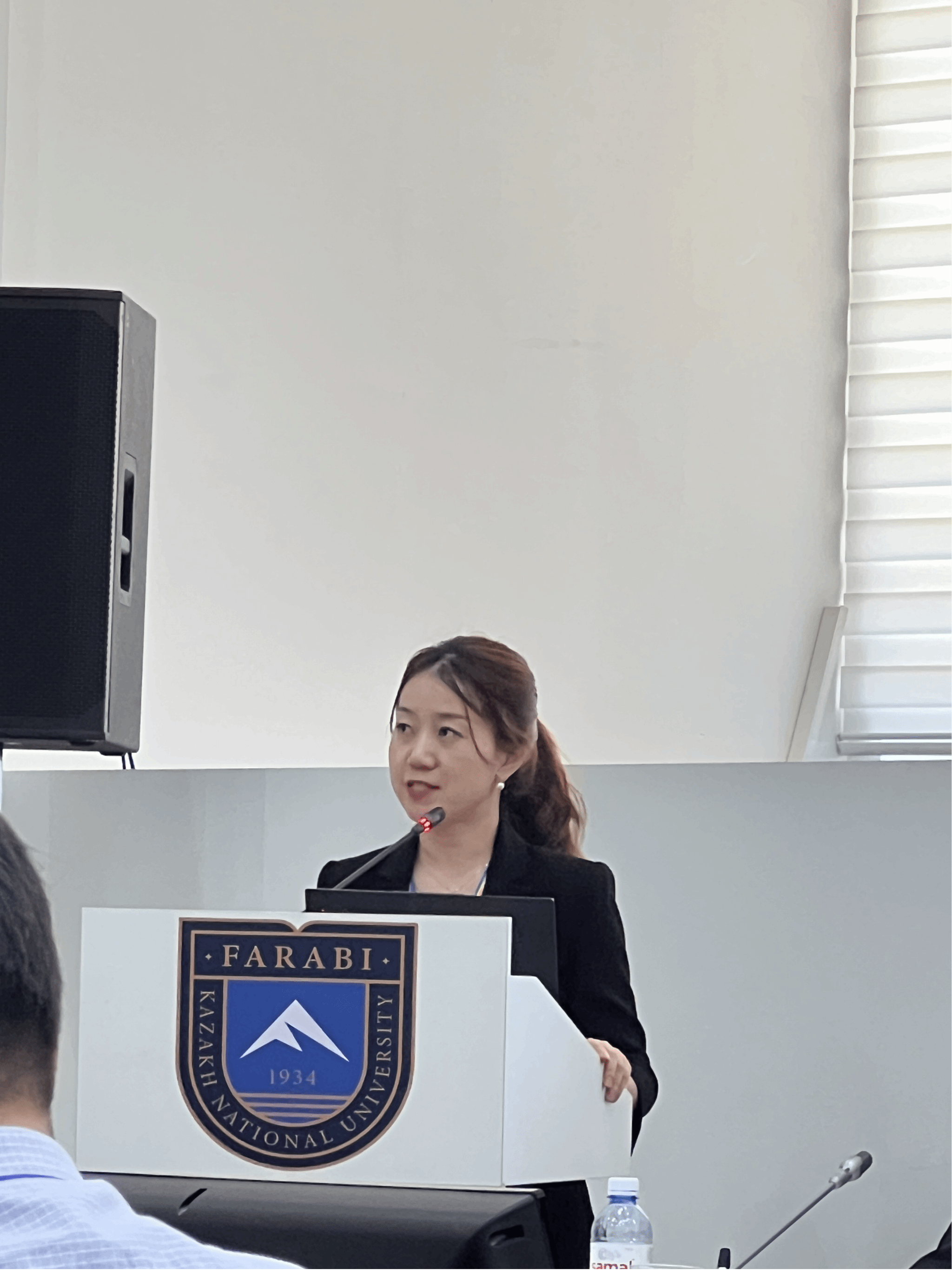
In the afternoon, the delegation from NPU’s School of Computer Science held discussions with Zheng Guanghua, Vice President of NPU Kazakhstan Branch, focusing on the formulation of academic systems adapted to both Chinese and Kazakh contexts, laying a solid foundation for future enrollment and further cooperation.
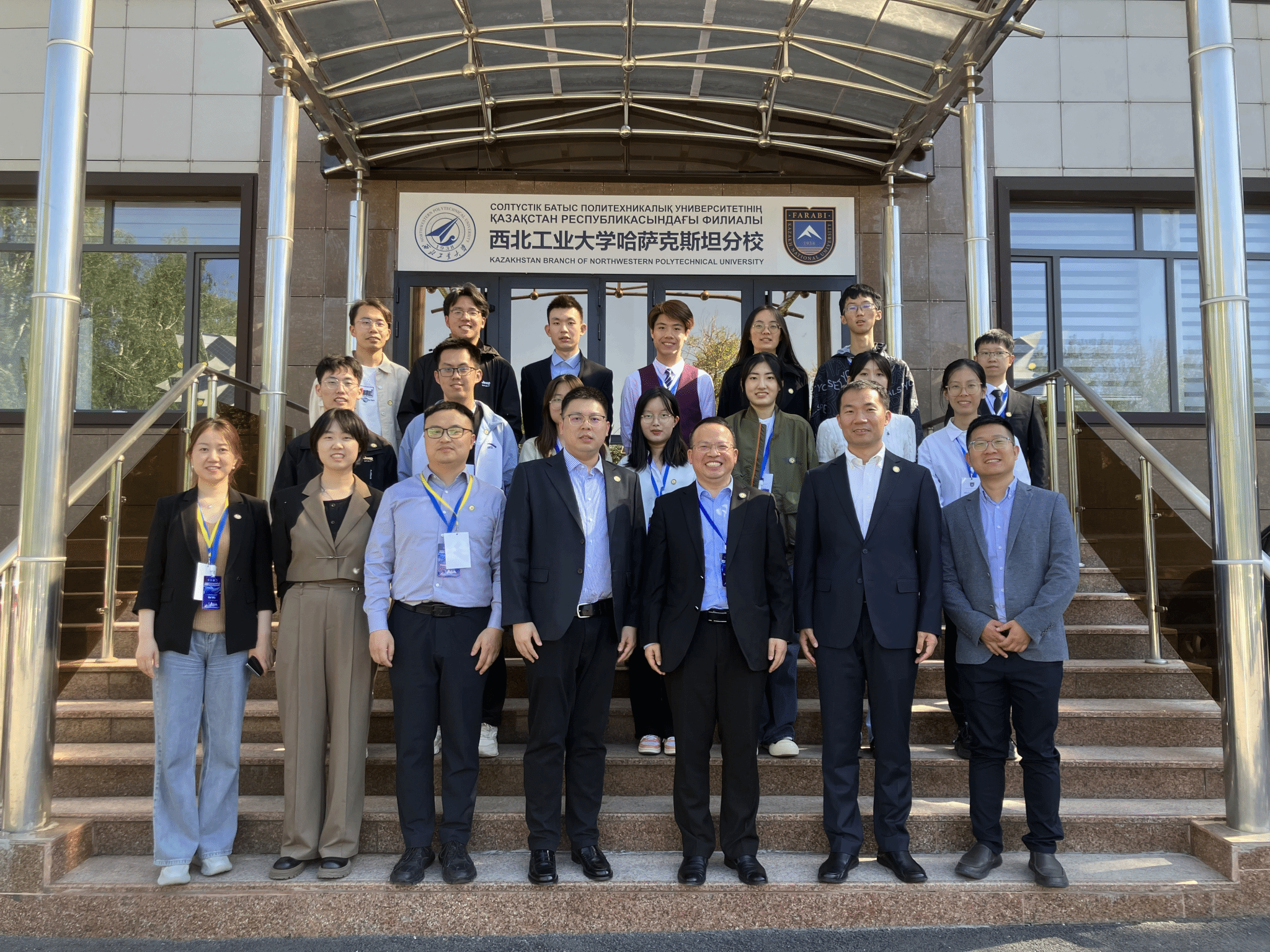
With the successful conclusion of the symposium, NPU and KazNU have taken a solid step forward in their cooperation. This symposium not only deepened educational and technological exchanges between the two countries, but also promoted international cooperation and innovation in the application of ubiquitous computing in medical health care. Through in-depth discussions and exchanges among experts, the two sides plan to further strengthen cooperation in the future and jointly advance research and practice in this field. The successful convening of this symposium marks a new chapter in educational and technological cooperation between the two universities of China and Kazakhstan, lays a solid foundation for their future cooperation, and sets a model for international educational exchanges and collaborations in the context of globalization.